

Residential Solar Installation
DJ Edwards Solar and Electrical; providing residential solar installations across Brisbane, Gold Coast, Toowoomba and the Sunshine Coast
Residential Solar Installation Brisbane | DJ Edwards Solar & Electrical
Every summer it's the same story across Brisbane. The power bill lands in the letterbox and suddenly everyone's talking about solar. We've been getting those calls since 1999 — families in Carindale, Wynnum, Aspley, and Ferny Grove all asking the same thing: "why didn't we do this sooner?"
The honest answer is that solar has never been more accessible, more affordable, or more effective than it is right now in southeast Queensland. And with energy prices doing what they're doing, a well-designed residential solar installation in Brisbane isn't just a lifestyle choice anymore — it's one of the smartest financial decisions a homeowner can make.
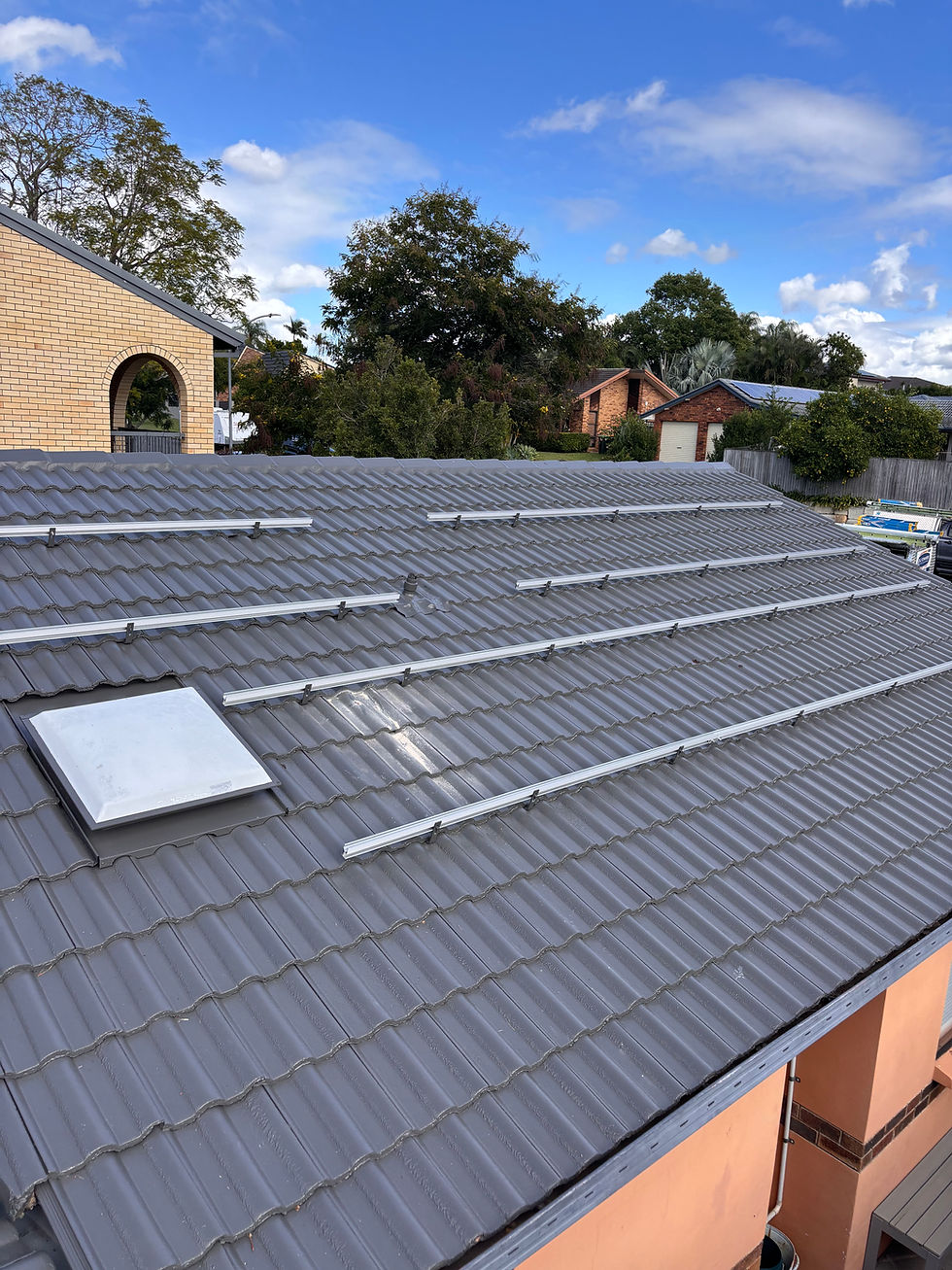
Residential Solar Power Installations — What's Actually Involved
Most people think getting solar means someone turns up, sticks some panels on the roof, and leaves. The reality of a proper residential solar power installation is a bit more involved than that — and the difference between a system that performs for 25 years and one that disappoints you in year three usually comes down to what happens before a single panel goes up.
At DJ Edwards, every residential installation starts with a proper site assessment. Owner Dean personally visits every property before anything gets quoted. He looks at which direction your roof faces, how much usable space you actually have, whether there's shading from trees, neighbouring buildings, or your own roofline at different times of day, and what your household actually uses power for and when.
That last part matters more than most people realise. A family that's home during the day uses power very differently to a household where everyone's out from 7am to 6pm. The system that saves one family $2,000 a year might only save the other $900 — not because solar doesn't work, but because the system wasn't designed around real energy behaviour.

Custom Design Solar Systems for Brisbane Homes
This is where DJ Edwards does things differently to the big national installers. There's no catalogue. No package A, B, or C. Every custom solar system design starts from scratch based on your specific roof, your specific energy usage, and your specific goals.
We use your last 12 months of power bills to model your actual consumption patterns. We map your roof orientation and calculate the shading impact at different times of year — because a panel that gets shaded for two hours every afternoon in winter loses more output than most homeowners would expect. We then design a system that maximises your self-consumption, meaning you use as much of the power you generate as possible rather than exporting it to the grid for cents.
Brisbane's roof types vary enormously — terracotta tiles in older western suburbs, Colorbond on newer estates in Rochedale and Springfield, heritage tin roofs in the inner north. Each one requires different mounting hardware and installation techniques. Getting it wrong damages your roof and voids your waterproofing warranty. Getting it right means a watertight installation that's still performing in 2045.


New Solar System vs Upgrading an Existing System
A lot of Brisbane homeowners contact us not for a brand new new solar system but because they had one installed five or eight years ago and it's not doing what they expected. Sometimes it's a failing inverter. Sometimes the system was undersized from the start. Sometimes the original installation just wasn't done well.
Before you write off solar based on a bad experience with a previous system, it's worth getting an honest second opinion. DJ Edwards assesses existing systems and gives you a straight answer — whether it's worth repairing, whether an upgrade makes sense, or whether a full replacement would give you a better return.
The other common scenario is homeowners who got a small 5kW system when they first went solar and now want to expand it. Battery storage has changed the equation significantly. A system that was sized purely for daytime self-consumption in 2018 might need a rethink now that battery prices have come down enough to make storage genuinely viable for most Brisbane households.
Solar Batteries and Storage for Brisbane Homes
Consider adding Standard grid-connected solar without a battery has one significant limitation that most installers don't tell you clearly enough upfront — when the grid goes down, your solar system shuts off too. It's a safety requirement. So if you're in a suburb that loses power during storms — and there are plenty of them across Brisbane's western and southern corridors — panels alone won't keep your lights on.
Solar batteries for residential installations change that. A hybrid inverter and battery system keeps your home running from stored solar power during an outage. For families in areas like Samford, Pullenvale, and parts of the Redlands that regularly experience storm-related outages, a battery isn't a luxury — it's genuinely practical.
Beyond outage protection, the financial case for batteries is getting stronger every year. Feed-in tariffs in Queensland have dropped significantly, which means exporting excess solar power to the grid earns you much less than it used to. Storing that power and using it yourself in the evening is now almost always a better financial outcome than exporting it.
DJ Edwards sizes and installs battery storage systems to complement your existing or new solar installation — making sure the battery capacity matches your actual evening consumption so you're not over or underinvesting.
an image or video to spark their interest.


Residential Solar Installation Across Brisbane and Southeast Queensland
DJ Edwards installs residential solar systems across the full Brisbane metro area and southeast Queensland. Suburbs we regularly work in include Paddington, Ashgrove, Kenmore, Carindale, Wynnum, Manly, Redcliffe, Chermside, Aspley, Ferny Grove, Rochedale, Eight Mile Plains, and across the Redlands, Logan, Ipswich, and Moreton Bay regions.
We know Brisbane's rooflines, its weather patterns, its network connection requirements, and its storm season. That local knowledge makes a genuine difference — not just in how we design systems but in how we handle the inevitable complications that come up in any installation.
If you're comparing quotes and one of them looks significantly cheaper than the others, it's worth asking who's actually doing the installation. DJ Edwards uses our own qualified team on every job. No labour hire, no subcontractors, no one we haven't worked with for years. When something needs warranty attention — and occasionally it does — you're calling the same people who did the original work.

What Does a Residential Solar Installation Actually Cost in Brisbane?
This is the question everyone wants a straight answer to, and the honest answer is that it genuinely depends on your roof and your energy usage. A well-designed 6.6kW system for a typical Brisbane family home currently ranges from around $5,500 to $8,000 after the STC rebate, depending on panel and inverter quality. Add a quality battery and you're looking at $12,000 to $18,000 all in.
Brisbane residential installations currently sit between four and seven years depending on system size, household usage, and whether battery storage is included. After payback, the system generates essentially free electricity for the remainder of its 25-year life.
Call DJ Edwards on 0400 571 610 to book your free residential solar assessment. No sales pressure — just an honest conversation about whether solar makes sense for your home and what it would actually cost.
